What Happens Below Ground After a Tree Is Removed?
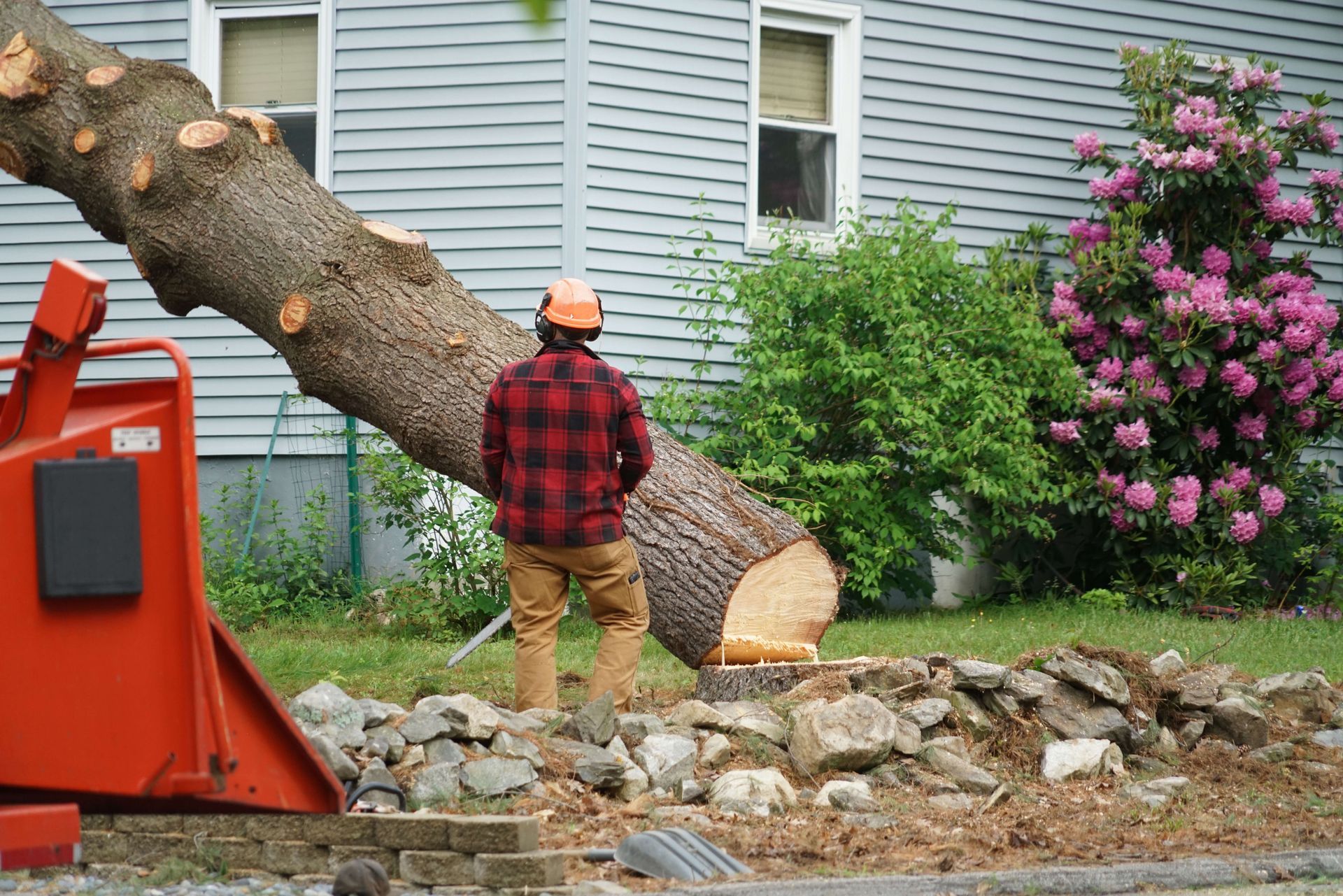
Removing a tree can dramatically change the appearance and usability of a property, but the work does not necessarily end when the trunk and branches are gone. Beneath the surface, roots can remain active, decay gradually, alter the soil and affect plans for the area. Understanding what happens below ground after tree removal can help Penrith homeowners decide whether tree removal Penrith services should include stump grinding, further excavation or landscape restoration.
What Remains Underground After Tree Removal?
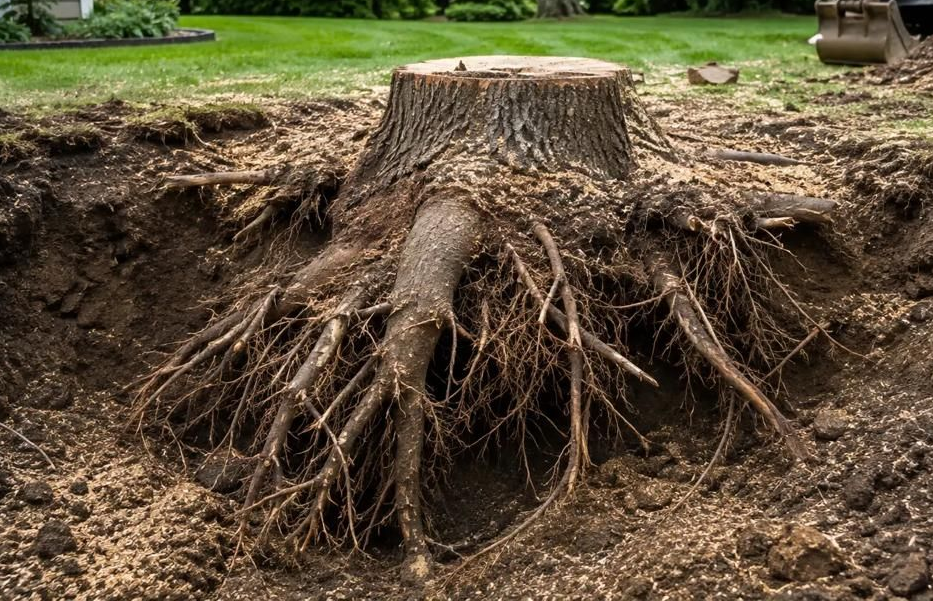
The visible part of a tree may disappear quickly, but its underground structure can remain for months or years. When a tree is removed, the main trunk is separated from the stump and roots. Unless the stump is specifically ground out or excavated, the remaining base can stay firmly embedded in the soil. Larger trees may also have extensive structural roots spreading well beyond the immediate stump area, while finer roots can extend further into surrounding garden beds.
Once the tree is no longer alive, its root system loses its normal supply of water and carbohydrates from the foliage. The roots therefore begin to die and decompose, but this is a gradual biological process rather than an immediate disappearance. The rate varies according to root size, soil moisture, temperature, oxygen availability and the surrounding microbial activity.
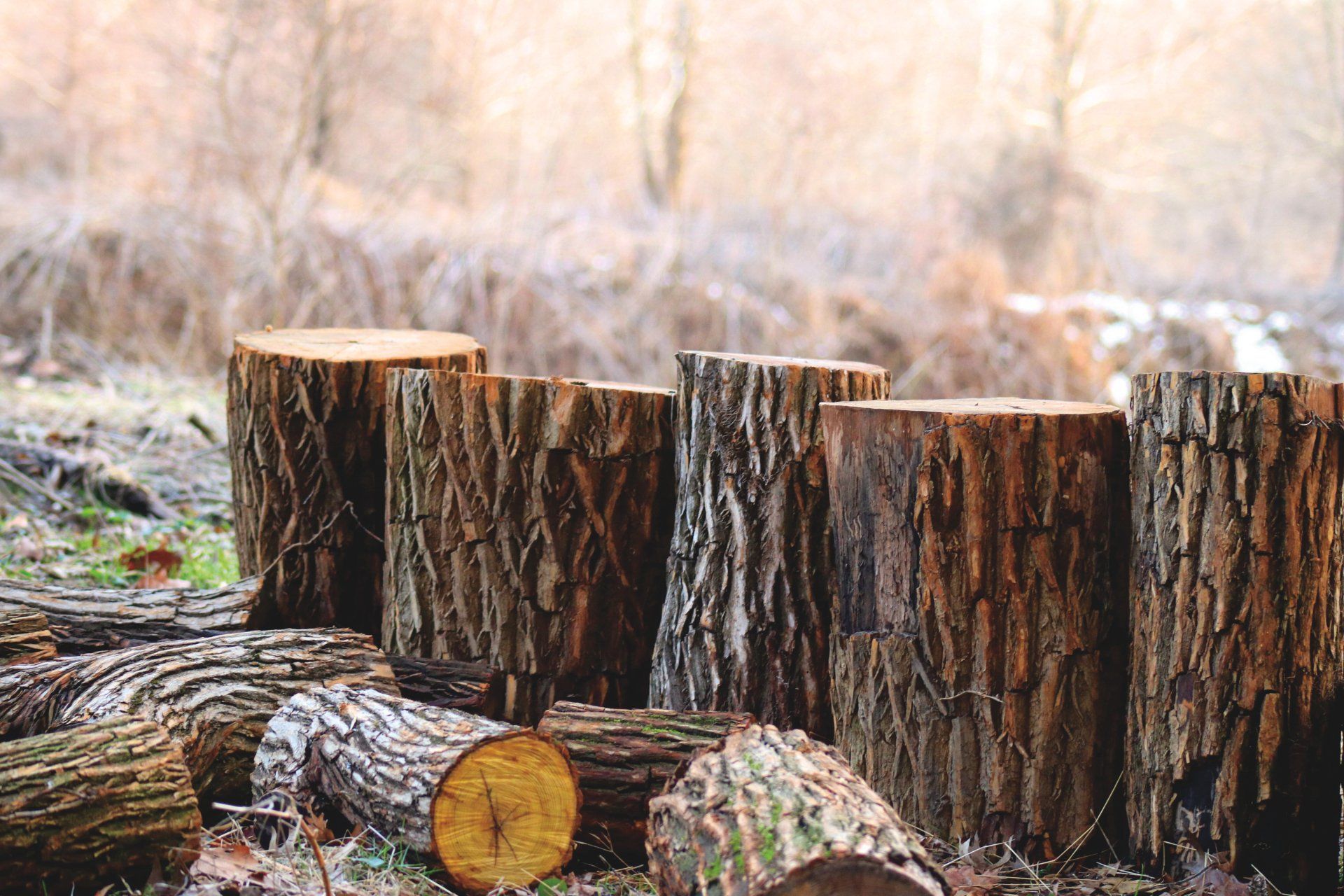
The stump itself can also create practical problems. It may obstruct mowing, create a trip hazard or interfere with future landscaping. In some situations, it can produce new shoots if enough living tissue remains. This is one reason professional tree removal services often need to be considered alongside what happens to the remaining stump.
Why the Root System Does Not Simply Disappear
Roots do not normally vanish as soon as a tree is cut down. As the dead material decomposes, fungi, bacteria and other organisms break it down and return nutrients and organic matter to the soil. Smaller roots generally break down sooner, while large woody roots and the central stump can remain for considerably longer.
Decomposition can change the physical condition of the soil. As underground wood breaks down, spaces can develop where solid root material previously existed. In a garden, this may be relatively minor, but around paths, retaining areas or future landscaping, uneven settling can become relevant.
Why Stump Grinding and Root Removal Can Matter
What happens next depends largely on what the property owner wants to do with the space. Stump grinding Penrith services are a common option when the goal is to remove the visible obstruction and make the area easier to manage. A specialised grinder cuts the stump into small wood pieces below ground level, allowing the surface to be cleared and the space to be covered with soil or prepared for landscaping.
Penrith Tree Removal provides stump grinding and stump removal as part of its broader tree care services, using specialised machinery to remove stumps and help prevent regrowth. The company also describes its process as including cleanup after grinding, leaving the area ready for future landscaping.
When Deeper Removal May Be Appropriate
There are situations where simply grinding the stump is not the only consideration. If the area is intended for a new path, retaining structure, paving, garden edging or another project that requires stable, well-prepared ground, the condition of the remaining material should be considered during planning.
Large roots can also complicate excavation. They may need to be cut or removed carefully to create enough space for the new work. However, digging out roots indiscriminately can disturb surrounding soil or damage nearby vegetation, so the best approach depends on the location and purpose of the project.
Another consideration is access. A stump in an open lawn may be straightforward to grind, while one positioned close to a building, fence, retaining wall or other obstacle may require more careful planning. Professional assessment helps determine what equipment and method can be used without unnecessarily disturbing the surrounding property.
What Happens to the Soil Afterwards?
After grinding, the resulting wood chips can occupy part of the former stump area. These materials eventually break down, but fresh organic material can temporarily influence the soil as it decomposes. For this reason, the area may need suitable soil preparation before planting or establishing a lawn.
Removing the stump can also change how easily the ground can be used. A previously obstructed section may become suitable for mowing, planting or other landscaping once it has been properly levelled and prepared. However, remaining larger roots should still be considered if the area is intended for construction or significant excavation.
The future purpose of the space should therefore influence the treatment selected. A garden bed may tolerate remaining roots that gradually decompose, while a more demanding project may require greater ground preparation.
How to Prepare the Ground for Its Next Use
Removing a tree can create an opportunity to redesign part of a property, but good preparation is important if the area is going to become productive garden space or support new landscaping.
The first step is to inspect the area rather than immediately covering it. Look for remaining woody material, exposed roots, loose soil, depressions and signs of settling. If the stump has been ground below the surface, the depth of the ground-out area should be considered before adding replacement soil.
For a lawn, the area can generally be levelled and filled with appropriate soil before preparation for new grass. Garden beds may require a different soil mix depending on the plants selected. If the former tree occupied a large section of the yard, improving the area with suitable organic matter can help establish healthier replacement vegetation.
Drainage also deserves attention. A mature tree can influence soil moisture and water movement through its root system, so removing it may gradually change how water behaves in that part of the property. Existing slopes, compacted soil and nearby structures should all be considered when restoring the area.
Consider the Surrounding Landscape
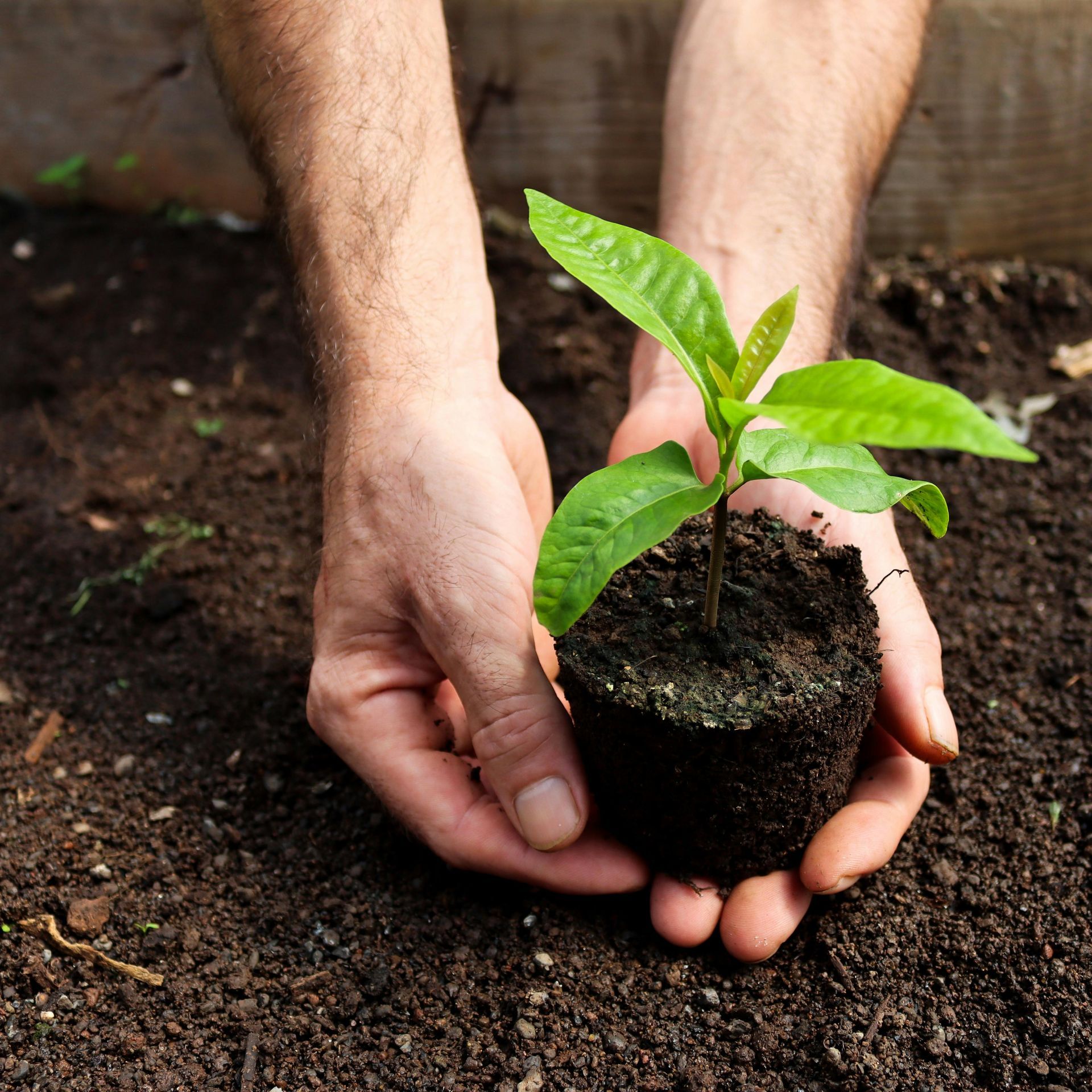
If another tree is to be planted, location is particularly important. Consider mature canopy size, root characteristics, proximity to buildings and the amount of available growing space. Choosing a suitable species and position can reduce the need for future corrective pruning or removal.
A professional tree removal assessment should consider the tree, surrounding property and what the homeowner wants to do with the site afterwards. Penrith Tree Removal offers free on-site inspections and says its certified arborists assess the tree, surrounding environment and potential hazards before recommending an approach.
This broader planning can be especially useful on residential properties where trees are close to homes, fences, driveways or other landscaping. The removal method, stump treatment and cleanup can then be considered together rather than handled as unrelated tasks.
Check Local Requirements Before Work Begins
Penrith homeowners should verify local council requirements and tree removal approvals beforehand to avoid delays, especially for large trees near structures or restricted areas. Consulting professionals like Penrith Tree Removal ensures proper planning, hazard assessment, and complete stump treatment that adheres to local guidelines.
Conclusion
What happens below ground after a tree is removed depends on the size of the tree, the extent of its root system, the removal method and the future use of the area. Remaining stumps and roots gradually decompose, while stump grinding Penrith services can remove the main underground obstruction and make the site easier to restore. Understanding these changes is important when planning new lawn, garden beds, paving or other landscaping.
Professional planning can make the transition from tree removal to landscape restoration much smoother. By assessing the remaining stump and roots, considering soil and drainage, and choosing an appropriate treatment such as stump grinding or deeper removal where necessary, Penrith homeowners can make better use of the newly available space. A properly managed site is safer, easier to maintain and better prepared for whatever comes next.
About Penrith Tree Removal
Penrith Tree Removal is a locally operated tree care company serving Penrith and surrounding areas with professional tree removal, tree cutting, tree trimming and pruning, tree lopping, stump grinding and stump removal, as well as residential and commercial tree services. Its certified and insured arborists use specialised equipment and follow safety-focused procedures for projects ranging from small backyard trees to larger and more complex removals. The company offers free on-site inspections, no-obligation quotes, cleanup and assistance with local council requirements, giving homeowners and businesses practical support from assessment through to removal and site preparation.