Why Tree Pruning Matters in Sydney
Tree pruning represents one of the most critical maintenance practices for Penrith property owners, directly impacting safety, tree longevity, and property aesthetics. Professional pruning techniques enhance tree health whilst reducing risks from falling branches and improving overall landscape appeal that contributes significantly to property value.
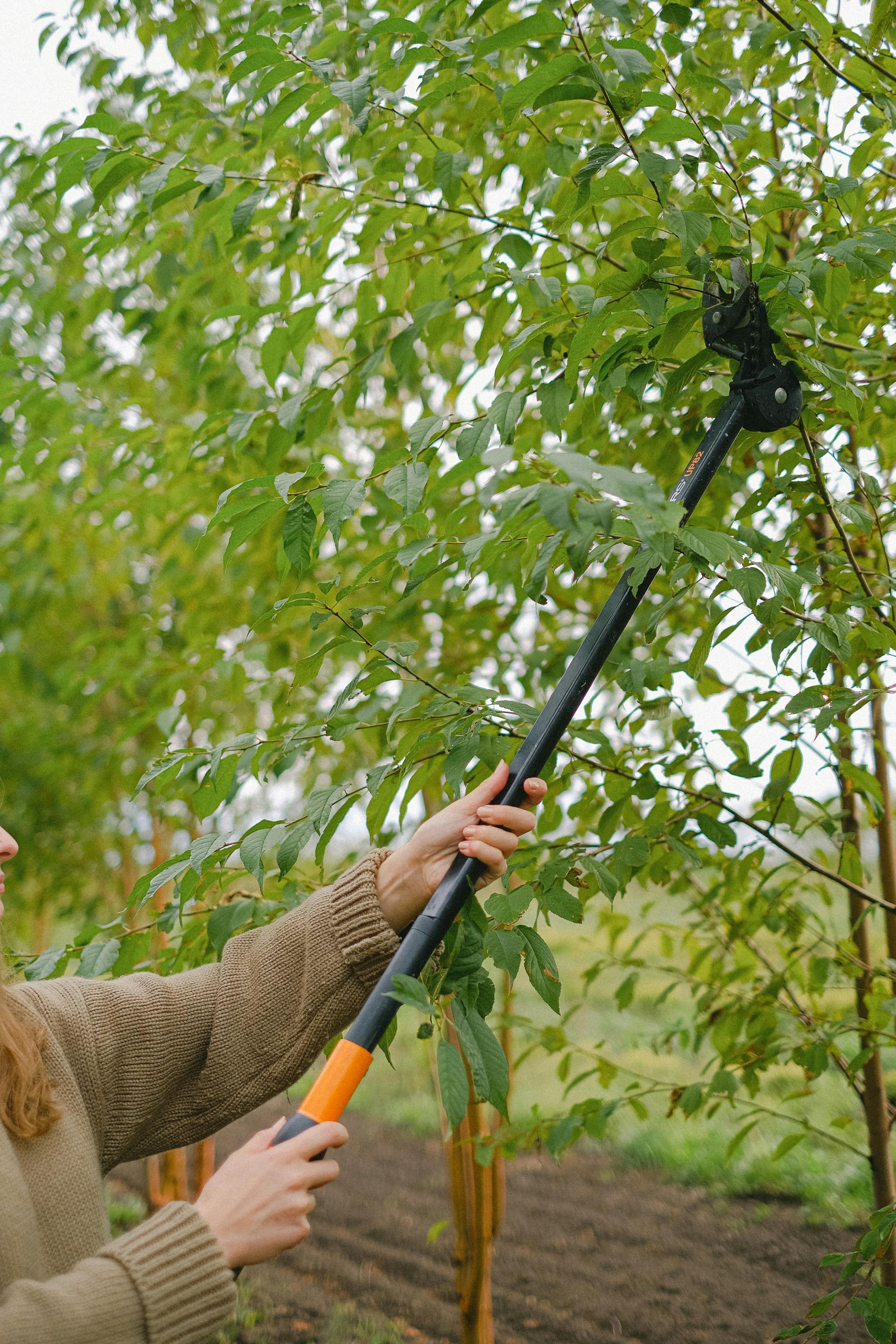
Understanding Tree Biology and Pruning Science
Proper tree pruning works with natural tree biology to promote healthy growth patterns whilst removing problematic branches that could compromise tree structure or safety. Trees respond to pruning cuts by developing new growth patterns that can either strengthen or weaken overall structure, depending on cutting techniques and timing employed during the pruning process. Understanding how trees heal and adapt to pruning helps ensure that maintenance efforts support rather than compromise long-term tree health and stability.
Tree wound response mechanisms involve complex biological processes that seal cut surfaces and redirect growth energy towards remaining healthy branches. When pruning cuts are made correctly using sharp tools and proper techniques, trees can compartmentalise wounds effectively, preventing disease infiltration whilst promoting vigorous new growth. Conversely, improper pruning techniques can create wounds that trees cannot seal effectively, leading to decay, disease, and structural weakness that compromise safety and longevity.
Seasonal timing of pruning activities significantly affects tree response and recovery, with dormant season pruning generally providing optimal conditions for wound healing and new growth development. Understanding species-specific timing requirements ensures pruning activities support rather than stress trees, particularly important for native Australian species that may have unique growth patterns and seasonal responses different from exotic ornamental varieties.
6 Tree Response Mechanisms
Trees react to pruning through these biological processes:
- Compartmentalisation: Natural wound sealing prevents disease infiltration.
- Growth redirection: Energy allocation changes promoting healthy branch development.
- Structural adaptation: Branch strengthening in response to load redistribution.
- Hormone regulation: Chemical signals coordinating healing and growth responses.
- Resource allocation: Nutrient distribution adjustments supporting recovery and development.
- Defense activation: Enhanced resistance to pests and diseases following proper pruning.
Safety Hazards from Unpruned Trees
Neglected trees pose significant safety risks to Penrith properties through various mechanisms, including falling branches, structural instability, and storm damage that can cause injury to people and damage to buildings, vehicles, and infrastructure. Dead, diseased, or structurally compromised branches represent immediate hazards that can fail suddenly without warning, particularly during windy conditions or storms common in the region. Regular pruning removes these hazardous elements before they pose serious threats to property and personal safety.
Overgrown canopies create additional safety concerns through power line interference, building contact, and vehicle obstruction that can lead to dangerous situations requiring emergency response. Trees growing too close to power lines pose electrocution risks and fire hazards, whilst branches contacting roofs can cause structural damage and provide pathways for pests and moisture infiltration. Proper pruning maintains appropriate clearances whilst preserving tree health and aesthetic value.
Storm preparation through strategic pruning significantly reduces property damage risks during severe weather events that regularly affect the Penrith area. Properly pruned trees with balanced canopies and strong branch structures are more likely to survive storms intact, whilst overgrown or poorly maintained trees may suffer catastrophic failure that endangers surrounding property and requires expensive emergency cleanup and repairs.
Common Tree-Related Safety Hazards
Unpruned trees create these specific risks:
- Falling branch incidents: Dead or weak branches dropping unexpectedly onto people or property.
- Power line interference: Branches contacting electrical infrastructure, creating fire and electrocution risks.
- Building damage: Limbs scraping roofs, gutters, or walls during wind events.
- Vehicle hazards: Low branches obstructing driveways or parking areas.
- Pedestrian dangers: Overhanging branches create head injury risks on walkways.
- Storm amplification: Poor structure increases wind resistance and failure probability.
Tree Health Benefits of Regular Pruning
Strategic pruning promotes optimal tree health by removing diseased, damaged, or competing branches that drain energy from healthy growth whilst creating entry points for pests and diseases. Selective branch removal allows remaining branches to receive more sunlight, nutrients, and growing space, promoting vigorous development and enhanced resistance to environmental stresses. This improved health translates into longer tree lifespans, better aesthetic appearance, and reduced vulnerability to problems that could require expensive treatments or tree removal.
Disease prevention represents one of the most important health benefits of regular pruning, as removing infected branches prevents pathogen spread to healthy parts of the tree whilst improving air circulation that reduces disease-promoting humidity around the canopy. Many common tree diseases spread through branch-to-branch contact or thrive in dense, poorly ventilated canopies that proper pruning can address effectively. Early intervention through pruning often prevents minor disease issues from developing into serious problems requiring extensive treatment or tree removal.
Structural improvement through pruning helps trees develop strong, balanced frameworks that can support healthy canopy development whilst resisting storm damage and other environmental stresses. Removing competing leaders, crossing branches, and poorly attached limbs during formative years creates strong tree architecture that requires less maintenance and presents fewer safety risks throughout the tree's lifetime.
Regular pruning provides these health benefits:
- Disease elimination: Removal of infected branches, preventing pathogen spread.
- Improved air circulation: Enhanced airflow reduces humidity and disease pressure.
- Sunlight penetration: Better light distribution promotes healthy growth throughout the canopy.
- Nutrient optimisation: Resource concentration on remaining healthy branches.
- Pest reduction: Elimination of pest habitat and improved access for natural predators.
- Structural strengthening: Development of strong branch architecture and trunk support.
Conclusion
Tree pruning represents an essential investment in property safety, tree health, and aesthetic appeal that provides substantial returns through reduced risks, enhanced property value, and improved landscape functionality. Understanding the science behind proper pruning techniques, timing considerations, and professional standards helps Penrith property owners make informed decisions about tree care whilst ensuring optimal outcomes for both immediate needs and long-term tree management objectives.
The benefits of regular professional pruning extend far beyond simple maintenance to encompass comprehensive property enhancement that supports safety, environmental health, and financial well-being. By implementing strategic pruning programs tailored to local conditions and specific tree requirements, property owners can enjoy beautiful, healthy trees that enhance their properties whilst minimising risks and maintenance costs over time.
About Penrith Tree Removal
Penrith Tree Removal provides professional tree pruning, maintenance, and removal services throughout the Penrith area. Our certified arborists understand local tree species and environmental conditions, delivering expert care that enhances tree health, property safety, and landscape aesthetics through proven techniques and quality workmanship.